Achieving Zero Capital Gains Tax on Cryptocurrency
June 17, 2026
Understanding Crypto Price Charts
June 18, 2026
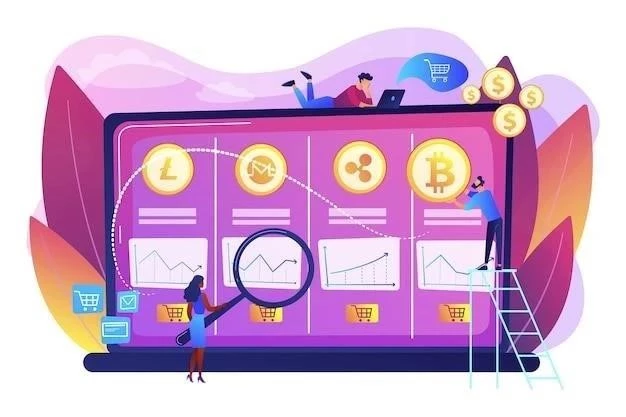
Crypto platforms form the essential digital infrastructure for interacting with cryptocurrencies and blockchain technology. They serve as crucial gateways for buying, selling, trading, and managing digital assets, enabling participation in decentralized finance (DeFi), non-fungible token (NFT) markets, and various Web3 applications; These diverse platforms are fundamental to the rapidly evolving global digital economy, offering a spectrum of services to both retail and institutional users.
Key Platform Categories
Platforms broadly categorize into:
- Centralized Exchanges (CEXs): Intermediaries facilitating crypto-fiat/crypto-crypto trades. Offer high liquidity, user-friendly interfaces, and support, but require trusting the exchange with assets (e.g., Binance, Coinbase).
- Decentralized Exchanges (DEXs): Peer-to-peer trading directly on blockchain, users retain private key control. Offers privacy and censorship resistance but can have lower liquidity or higher complexity (e.g., Uniswap).
- DeFi Lending & Borrowing: Platforms enabling lending crypto for interest or borrowing against collateral via smart contracts, bypassing traditional banks (e.g., Aave).
- NFT Marketplaces: Digital venues for buying, selling, and minting unique non-fungible tokens, powering creator economies and digital collectibles (e.g., OpenSea);
- Crypto Wallets: Essential tools for storing and managing cryptocurrencies. Can be custodial (exchange-managed) or non-custodial (user-controlled private keys), including software (MetaMask) and hardware options.
- Staking & Yield Farming: Platforms allowing passive income by locking crypto for network operations (staking) or providing liquidity (yield farming), vital for network security and ecosystem participation.
Services & Selection
Beyond basic trading, platforms offer derivatives, margin trading, launchpads, payment solutions, and educational resources. Fiat on/off-ramps are common. Selecting a platform requires considering security (two-factor authentication, cold storage), fees (trading, withdrawal), user interface, supported assets, regulatory compliance, and customer support. Due diligence is crucial.
Challenges & Future Outlook
Challenges include market volatility, security breaches, and evolving regulatory landscapes. The future promises greater integration, enhanced user experiences, and mainstream adoption, driven by Web3 innovation and clearer regulations, ultimately democratizing financial access globally.
Crypto platforms are dynamic, indispensable components of the digital economy. They offer significant opportunities for financial innovation and access, but also carry inherent risks requiring informed decision-making and due diligence. Their continuous innovation and adaptation will solidify their pivotal role in transforming global finance and democratizing wealth.