
330 Million Crypto Users A Global Phenomenon
February 24, 2026
Understanding Crypto Yield
February 25, 2026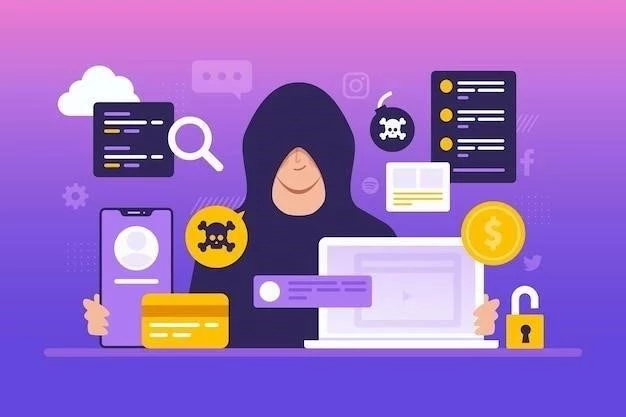
The burgeoning world of cryptocurrency offers unprecedented opportunities, yet it also presents a fertile ground for malicious actors. Crypto scams are a pervasive threat, meticulously designed to defraud individuals of their digital assets. As the adoption of cryptocurrencies grows globally, so too does the sophistication and frequency of these illicit schemes, making vigilance and continuous education paramount for anyone engaging with this innovative technology.
Common Types of Crypto Scams
- Phishing Scams: Attackers create fake websites, emails, or social media profiles that mimic legitimate services. Their goal is to trick users into revealing private keys, login credentials, or sending funds to fraudulent addresses.
- Rug Pulls: Prevalent in decentralized finance (DeFi), developers launch a new cryptocurrency project, attract significant investment, and then abruptly abandon the project, disappearing with investors’ funds.
- Impersonation Scams: Scammers pose as celebrities, influential figures, customer support representatives, or even government officials, often via social media or direct messages, to solicit funds or sensitive information.
- Investment & Ponzi Schemes: These scams promise abnormally high, guaranteed returns on crypto investments. They often require initial deposits and encourage recruitment of new investors to pay off earlier ones, until the entire scheme inevitably collapses.
- Malware & Spyware: Malicious software designed to steal crypto by logging keystrokes, intercepting clipboard data (for wallet addresses), or directly accessing digital wallets. This often comes disguised as legitimate apps or tools.
- Romance Scams (Pig Butchering): Scammers build emotional relationships online, often over months, before introducing the idea of a lucrative crypto investment, ultimately convincing the victim to transfer large sums to a fraudulent platform.
- Fake Exchanges & Wallets: Malicious platforms or applications that appear legitimate but are specifically designed to steal users’ funds or private information upon deposit or connection.
- Airdrop & Giveaway Scams: Scammers promise free tokens or large crypto giveaways, but require users to send a small amount of crypto first (a “gas fee”) or connect their wallet to a malicious site.
How to Spot a Crypto Scam
Recognizing the warning signs is crucial for self-protection:
- Unrealistic Promises: Any offer guaranteeing extremely high, risk-free returns in a short period is a major red flag. If it sounds too good to be true, it almost certainly is.
- Pressure & Urgency: Scammers often create a sense of urgency, pressuring victims to act quickly before they have sufficient time to think or research.
- Requests for Private Keys/Seed Phrases: Legitimate platforms or individuals will NEVER ask for your private key, seed phrase, or recovery phrase. These are your ultimate access to your funds.
- Unsolicited Messages: Be extremely wary of direct messages, emails, or social media posts from unknown senders offering investment opportunities or support.
- Suspicious Links: Always verify URLs carefully. Look for subtle misspellings, extra characters, or unusual domains. Malicious links can lead to phishing sites or download malware.
- Lack of Transparency: Legitimate projects have clear whitepapers, identifiable development teams, and verifiable roadmaps. Scammers often lack detailed, auditable information.
- Poor Grammar and Spelling: While not always definitive, many scams originate from non-native English speakers or are poorly crafted, featuring numerous grammatical errors and typos.
Protecting Yourself from Crypto Scams
Vigilance and a proactive approach are your best defense mechanism:
- Do Your Own Research (DYOR): Before investing in any project or using any service, thoroughly research its legitimacy, team, technology, and community.
- Use Reputable Platforms: Stick to well-established, regulated exchanges and secure hardware wallets for storing your digital assets.
- Enable Two-Factor Authentication (2FA): Always use 2FA on all your crypto accounts for an essential added layer of security.
- Be Skeptical of Unsolicited Offers: Assume any unexpected offer of free crypto or guaranteed returns is a scam until proven otherwise.
- Never Share Private Information: Your private keys, seed phrases, and passwords should remain absolutely confidential and never be shared with anyone, ever.
- Verify URLs Carefully: Always double-check the URL of any crypto-related website before entering credentials or connecting your wallet. Bookmark legitimate sites.
- Educate Yourself Continuously: Stay informed about the latest scam tactics and security best practices within the rapidly evolving crypto space.
- Report Scams: If you encounter a scam, report it to relevant authorities and platforms to help protect others and contribute to a safer ecosystem.
The promise of decentralization and financial empowerment in the crypto world comes with the inherent responsibility of self-custody and heightened awareness. While scammers constantly evolve their deceptive tactics, an informed and cautious approach remains the most effective shield against falling victim. By understanding common scam types, diligently recognizing warning signs, and adopting robust security practices, you can navigate the crypto landscape more safely and confidently, effectively safeguarding your investments from malicious actors.