
Understanding Crypto Winter
March 18, 2026
YFI The Governance Token of Yearn.finance
March 20, 2026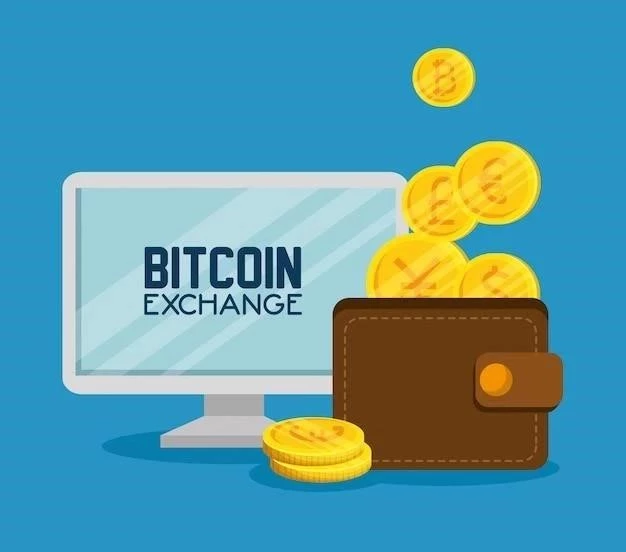
A cryptocurrency wallet is an essential tool for engaging with digital assets. Far from holding actual cryptocurrencies, which exist on a blockchain, a wallet stores the cryptographic keys necessary to access and manage your funds. Think of it as your personal bank account for the decentralized world, providing a secure interface to send, receive, and store various digital currencies like Bitcoin, Ethereum, and countless others. Without a wallet, interacting with the blockchain is impossible. Choosing the right wallet and understanding its functions are crucial for securing your digital wealth effectively.
Types of Crypto Wallets
Crypto wallets broadly fall into two categories: hot wallets and cold wallets, distinguished by internet connection. Each offers varying convenience and security.
Hot Wallets: Connected and Convenient
Hot wallets are internet-connected, offering high convenience for frequent transactions. Generally less secure than cold wallets due to online nature, they are popular for accessibility. Ideal for smaller amounts requiring regular access.
- Web Wallets: Often integrated into exchanges, easy to use but mean you don’t control private keys directly. This “not your keys, not your coin” is crucial.
- Mobile Wallets: Smartphone apps balancing security and convenience for everyday use. Keys stored on your device, offering better control than exchange wallets, but susceptible to phone issues.
- Desktop Wallets: Software installed on your computer. Offers more control over private keys than web wallets, but susceptible to malware.
Cold Wallets: Offline and Secure
Cold wallets are physical devices or methods storing private keys offline, impervious to hacking. They are the gold standard for long-term storage of significant cryptocurrency holdings due to enhanced security. Offline nature mitigates cyber threats.
- Hardware Wallets: Dedicated physical devices (like USB drives) securely storing private keys offline. Transactions signed on the device, then broadcast. Examples: Ledger, Trezor. Offer highest security for most users, recommended for investments.
- Paper Wallets: Public and private keys printed on paper. Extremely secure from online threats, but vulnerable to physical damage, loss, or theft. Generally discouraged for beginners due to complexities and physical risks.
How Crypto Wallets Work
Crypto wallets don’t store cryptocurrencies; they manage two crucial cryptographic pieces proving ownership and allowing transactions:
- Public Key (Wallet Address): Like your bank account number. Share it to receive cryptocurrency. Derived from private key, publicly visible on blockchain.
- Private Key: Your secret password, granting access to spend cryptocurrency. Whoever possesses it controls funds. Must be kept secret.
- Seed Phrase (Recovery Phrase): 12 or generated during wallet setup. Human-readable representation of your private key(s), serving as ultimate backup. If you lose your device, it’s the only way to recover funds. Never share; store meticulously offline.
Choosing the Right Crypto Wallet
Selecting the optimal wallet depends on your needs, risk tolerance, and intended use. Consider:
- Security Needs: For small amounts and frequent trading, a mobile or desktop hot wallet might suffice. For large holdings or long-term storage (“hodling”), a hardware cold wallet is strongly recommended.
- Convenience: Evaluate access frequency. Hot wallets offer unparalleled convenience for daily transactions; cold wallets require deliberate process.
- Supported Cryptocurrencies: Ensure the wallet supports your specific cryptocurrencies. Not all wallets support every coin; research compatibility.
- User Experience: Choose a wallet with an intuitive, user-friendly interface. Complex interfaces can lead to mistakes.
Essential Security Practices
Regardless of wallet type, robust security practices are paramount to safeguarding digital assets. Vigilance is non-negotiable:
- Backup Your Seed Phrase: Write it physically (paper/metal) and store in multiple secure locations, away from digital threats. Never store digitally or share.
- Use Strong, Unique Passwords: For any wallet, exchange, or service. Combine uppercase/lowercase letters, numbers, symbols.
- Enable Two-Factor Authentication (2FA): Wherever available, especially on exchanges/online wallets. Use authenticator apps (e.g., Google Authenticator) over SMS 2FA.
- Beware of Phishing and Scams: Double-check URLs, sender addresses. Never click suspicious links. Legitimate services won’t ask for keys or seed phrase.
- Keep Software Updated: Ensure wallet software, OS, antivirus are up to date to patch vulnerabilities.
- Send Small Test Transactions: For large amounts, send a small test amount first to confirm recipient address and process before committing full sum.
Crypto wallets are fundamental for interacting with the blockchain economy. By understanding types, functions, and adhering to strict security protocols, you can confidently manage digital assets. Choose wisely, secure diligently, and embrace the future of finance. Your proactive approach to wallet security is your best defense.