
Understanding USDC The Digital Dollar Stablecoin
May 25, 2026
XAI Crypto A Layer 3 Blockchain for Decentralized Gaming
May 26, 2026
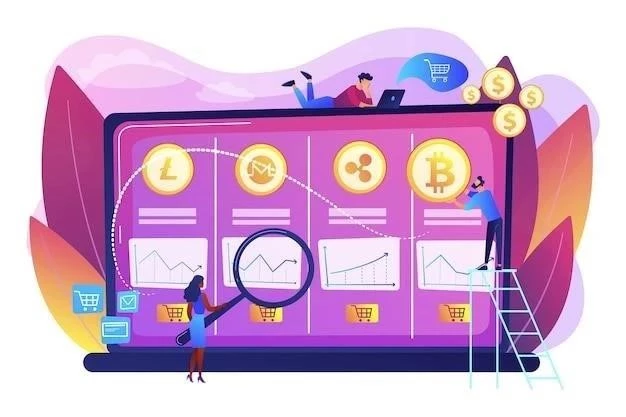
The crypto market is a dynamic, evolving frontier, driven by innovation. “Top” coins are identified by market capitalization, utility, and adoption. This article overviews ten prominent cryptocurrencies, showcasing the diverse digital asset ecosystem. Always research thoroughly, as the market is highly volatile.
Bitcoin (BTC)
The Original Digital Gold: Launched in 2009, Bitcoin is the world’s largest cryptocurrency. Decentralized, capped at 21 million, it’s primarily valued as a store of value and “digital gold,” facilitating secure, transparent transactions.
Ethereum (ETH)
The Smart Contract King: Ethereum revolutionized crypto with smart contracts. It’s a decentralized platform for dApps, NFTs, and DeFi. Its PoS transition enhances scalability and security, solidifying its core foundational role.
Ripple (XRP)
Facilitating Global Payments: XRP, Ripple network’s crypto, designed for rapid, low-cost international payments. It offers an efficient alternative to traditional banking, enabling institutions to conduct swift cross-border transactions.
Solana (SOL)
High-Performance Blockchain: Solana is known for high throughput and low transaction costs. Leveraging PoH with PoS, it achieves impressive speeds, making it a highly scalable infrastructure for decentralized applications.
Cardano (ADA)
Research-Driven Blockchain: Cardano is a proof-of-stake platform, founded by Charles Hoskinson, emphasizing research. Developed via peer-reviewed research, it provides a secure, scalable, and sustainable platform for dApps and smart contracts.
Dogecoin (DOGE)
The Original Meme Coin: Dogecoin began as a joke in 2013, featuring the Shiba Inu meme. Despite origins, DOGE gained massive popularity, driven by community and endorsements. Low transaction fees and recognition secure its top crypto position.
Polkadot (DOT)
Interoperability at its Core: Polkadot is a multi-chain framework enabling blockchains to connect. Its “parachains” and “relay chain” address interoperability and scalability, allowing custom blockchains to benefit from shared network security.
Litecoin (LTC)
Silver to Bitcoin’s Gold: Created by Charlie Lee in 2011, Litecoin, an early altcoin. Often called “digital silver,” it shares similarities with Bitcoin, offering faster transactions and larger supply for efficient peer-to-peer payments.
Chainlink (LINK)
Connecting Blockchains to the Real World: Chainlink is a decentralized oracle network. It securely provides real-world data to smart contracts, solving the “oracle problem” by feeding external data to blockchain applications, enabling complex DeFi use cases.
Polygon (MATIC)
Scaling Ethereum: Polygon (formerly Matic Network) is a Layer 2 scaling solution for Ethereum. It enhances scalability, usability via faster, cheaper transactions. Polygon offers various scaling solutions, crucial for efficient Ethereum-based dApps.
The crypto market showcases innovation and disruption. These coins highlight diverse functionalities: stores of value, dApp platforms, interoperability. As the industry matures, continuous research, market understanding, and caution are paramount. Diversification, risk management are crucial when engaging with this exciting, volatile asset class.