
The Cryptocurrency Landscape in 2024
January 31, 2026
Quant QNT Price Analysis
February 2, 2026
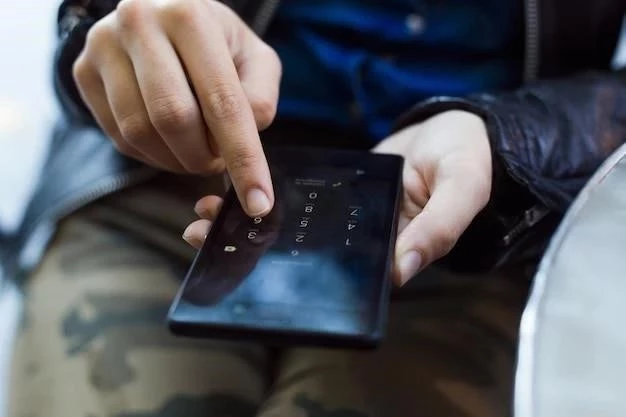
In the volatile world of cryptocurrency, security is paramount. With digital assets representing significant value, robust protection beyond simple passwords is critical. Two-Factor Authentication (2FA) codes provide an indispensable shield, adding a vital layer of defense against unauthorized access to your crypto exchanges, wallets, and decentralized applications.
What is Two-Factor Authentication (2FA)?
2FA requires two distinct forms of identification for access. Beyond your password, 2FA adds something you have (like a registered phone, physical key, or authenticator app) or something you are (biometrics). This multi-layered approach significantly reduces account compromise risk, even if your password falls into the wrong hands due to a data breach or a phishing attempt.
How 2FA Works with Crypto
When logging into a crypto service with 2FA, after entering your password, you’ll be prompted for a second, time-sensitive code. This code is generated every few seconds by an external device or application, making it extremely difficult for malicious actors to intercept, guess, or reuse these codes.
Types of 2FA for Crypto
-
SMS-based 2FA
Sends a one-time code via text message to your registered mobile number. While convenient, it’s the least secure for crypto due to vulnerabilities like SIM swap attacks, where attackers port your number to obtain your codes.
-
Authenticator App 2FA
Apps like Google Authenticator or Authy generate time-based one-time passwords (TOTP) on your smartphone. Codes refresh every 30-60 seconds and don’t rely on cellular networks, making them more secure than SMS. Securely back up recovery keys or seed phrases, provided during setup, to regain access if you lose your device.
-
Hardware Security Keys
Physical devices such as YubiKey or Ledger Nano X (as 2FA for an exchange) offer the highest security. Using FIDO U2F or FIDO2 standards, they require physical touch or presence to authenticate. They are highly resistant to phishing and malware, as authentication occurs on the device, verifying the legitimate site.
-
Biometrics
Often a primary login factor (e.g., fingerprint, facial recognition), biometrics can also function as a strong second factor with other methods. This adds convenience and security, though it often secures access to the authenticator app rather than being a standalone platform 2FA.
Why is 2FA Crucial for Crypto?
Crypto stakes are uniquely high. Unlike traditional banking, crypto transactions are typically irreversible. If an attacker gains unauthorized access and initiates a transfer, funds are usually unrecoverable. 2FA acts as a powerful, strong deterrent, blocking unauthorized access even if your password is stolen via phishing, malware, or data breaches. It provides peace of mind, protecting your assets from theft.
Best Practices for Crypto 2FA
- Always Enable 2FA: Make it a default for every crypto service, exchange, and wallet you use.
- Prioritize Stronger Methods: Opt for Authenticator Apps or Hardware Security Keys over less secure SMS 2FA.
- Secure Recovery Codes: Store backup codes/seed phrases for authenticator apps safely offline (e.g., written down, safe deposit box, encrypted USB). Vital if you lose your device.
- Never Share Codes: No legitimate service will ever ask for your 2FA code via email, phone, or chat. Such requests are scams.
- Beware of Phishing: Double-check URLs and be suspicious of unsolicited login/2FA requests. Phishing sites mimic real ones.
- Unique 2FA per Service: Ideally use different authenticator instances or hardware keys for separate critical crypto services to minimize compromise.