

A Comprehensive Overview of Stablecoins
September 20, 2026
Top 5 Cryptocurrency Exchanges
September 21, 2026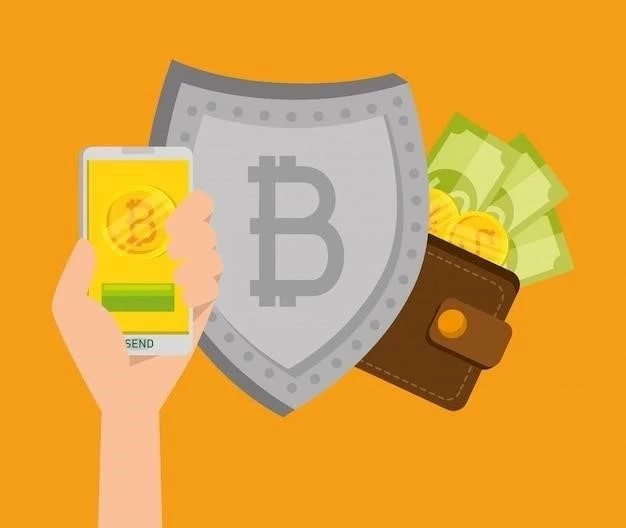
Bitcoin wallet holdings represent the amount of Bitcoin (BTC) a user owns and controls. This isn’t a physical possession; rather, it’s access to the cryptographic keys that allow you to spend BTC recorded on the blockchain. Understanding how holdings work is crucial for anyone involved with cryptocurrency.
Types of Bitcoin Wallets & Their Impact on Holdings
The type of wallet significantly impacts how you interact with and manage your Bitcoin holdings. Here’s a breakdown:
- Hardware Wallets: (e.g., Ledger, Trezor) – Considered the most secure. Holdings are stored offline, minimizing risk of hacking. Ideal for long-term storage (“cold storage”).
- Software Wallets: (e.g., Exodus, Electrum) – Applications installed on your computer or mobile device. More convenient than hardware wallets, but less secure as they are connected to the internet.
- Web Wallets: (e.g., Coinbase, Blockchain.com) – Accessed through a web browser. Easiest to use, but rely on a third party to secure your funds – highest risk.
- Paper Wallets: A physical printout of your public and private keys. Extremely secure if generated and stored correctly, but prone to physical loss or damage.
Checking Your Bitcoin Wallet Holdings
How you check your holdings depends on your wallet type:
- Hardware Wallets: Connect the device and use the associated software to view your balance.
- Software Wallets: Open the application; your balance is usually displayed on the main screen.
- Web Wallets: Log in to the website; your balance will be visible on your account dashboard.
- Paper Wallets: Use a Bitcoin explorer (see below) and your public key to check the associated address balance.
Using a Bitcoin Explorer
A Bitcoin explorer (e;g., blockchain.com/explorer, blockchair.com) allows you to view transactions and balances associated with any Bitcoin address. You’ll need your wallet’s public key (or address) to check holdings this way. Never share your private key!
Security Best Practices for Protecting Your Holdings
Protecting your Bitcoin holdings is paramount. Consider these steps:
- Strong Passwords: Use unique, complex passwords for all your wallets and accounts.
- Two-Factor Authentication (2FA): Enable 2FA whenever possible for an extra layer of security.
- Backup Your Wallet: Regularly back up your wallet’s seed phrase (recovery phrase) and store it securely offline.
- Beware of Phishing: Be cautious of suspicious emails or websites asking for your private keys or login credentials.
- Keep Software Updated: Regularly update your wallet software to patch security vulnerabilities.
Understanding UTXOs
Bitcoin uses a UTXO (Unspent Transaction Output) model. Instead of having a single balance, your holdings are represented as a collection of UTXOs – individual amounts of BTC locked to specific addresses. When you spend Bitcoin, you’re actually combining and spending UTXOs.
Tax Implications of Bitcoin Holdings
Bitcoin holdings are subject to capital gains taxes in many jurisdictions. Keep accurate records of all transactions (purchases, sales, trades) to report your gains or losses correctly. Consult a tax professional for specific advice.