
A Detailed Overview of Bitcoin Wallet Exchange Services
July 17, 2026
Understanding ETH Unstaking: Timelines and Implications
July 18, 2026
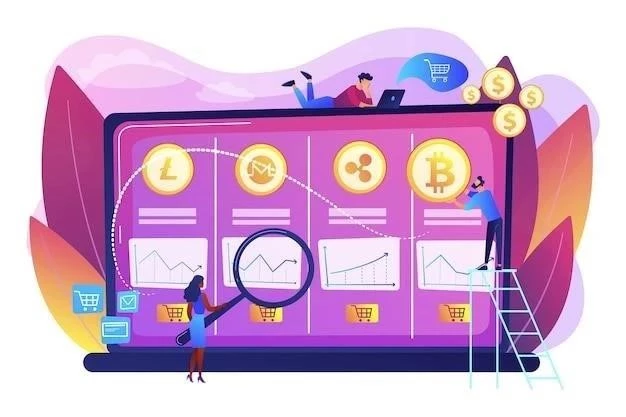
The demand for established crypto trading platforms is rising, driven by the burgeoning digital asset space. However, buying one isn’t simple. This guide details what to consider when purchasing a platform, covering aspects from due diligence to legal frameworks.
Why Buy an Existing Platform?
Starting from scratch is resource-intensive. Acquiring an existing platform offers:
- Faster Time-to-Market: Avoid years of development.
- Established User Base: Immediate access to traders.
- Existing Infrastructure: Servers, security, and APIs are already in place.
- Brand Recognition: Leverage pre-existing trust (or address existing reputation).
Key Considerations Before Purchasing
Due Diligence: The Foundation
Thorough due diligence is crucial. Investigate:
- Code Audit: Security vulnerabilities are paramount. Hire independent experts.
- Financial Records: Verify revenue, expenses, and profitability;
- Legal Compliance: Ensure adherence to KYC/AML regulations (see section below).
- User Data: Understand data privacy practices and potential liabilities;
- Technology Stack: Assess scalability and maintainability.
Legal and Regulatory Landscape
Compliance is non-negotiable. Crypto regulations vary significantly by jurisdiction. Key areas:
- KYC/AML: Know Your Customer/Anti-Money Laundering procedures.
- Licensing: Determine required licenses for operation in target markets.
- Data Privacy: GDPR, CCPA, and other data protection laws.
- Securities Laws: Some tokens may be considered securities.
Engage legal counsel specializing in crypto regulations.
Platform Features & Functionality
Evaluate the platform’s capabilities:
- Supported Cryptocurrencies: Does it offer desired assets?
- Trading Pairs: Variety of trading options.
- Order Types: Market, limit, stop-loss, etc.
- Security Features: 2FA, cold storage, encryption;
- Liquidity: Access to sufficient trading volume.
- API Integration: For bots and third-party services.
Valuation & Negotiation
Platform valuation depends on factors like user base, revenue, technology, and compliance. Consider:
- Revenue Multiples: Common valuation method.
- Asset Valuation: Value of crypto holdings.
- Future Growth Potential: Market opportunities.
Negotiate terms carefully, including escrow arrangements.
Finding Platforms for Sale
Several avenues exist:
- Specialized Brokers: Firms specializing in crypto business sales.
- Online Marketplaces: Flippa, Empire Flippers (sometimes list crypto platforms).
- Industry Networks: Connect with individuals in the crypto space.
Post-Acquisition: Transition & Improvement
After purchase, focus on:
- Smooth Transition: Minimize disruption for users.
- Security Enhancements: Address any vulnerabilities identified in the audit.
- Marketing & Growth: Expand the user base.
- Continuous Improvement: Add new features and functionalities.