

Tapswap Core Mechanics Overview
October 18, 2026
Mobile Crypto Mining: Is It Worth It?
October 18, 2026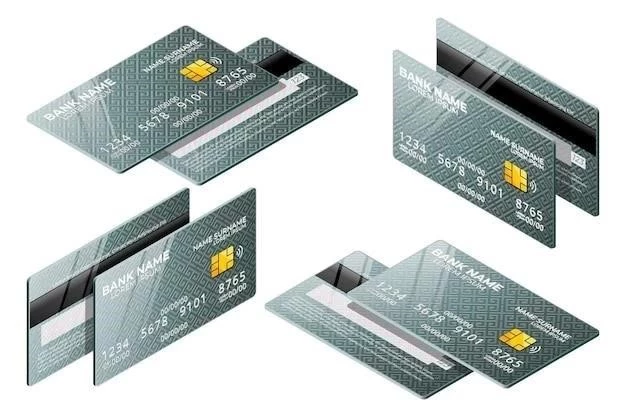
Crypto debit cards are rapidly gaining popularity, bridging the gap between the world of cryptocurrency and everyday spending. They allow users to spend their crypto holdings – Bitcoin, Ethereum, and others – directly at merchants that accept traditional debit cards. This article provides a detailed overview, covering how they work, benefits, popular options, and potential drawbacks. (Character count: 145)
How Do Crypto Debit Cards Work?
Unlike traditional debit cards linked to bank accounts, crypto debit cards are connected to a cryptocurrency exchange or wallet. When you make a purchase, the card issuer instantly converts your chosen cryptocurrency into fiat currency (like USD or EUR) at the point of sale. This conversion happens behind the scenes, so the merchant receives payment in fiat, while you effectively spend your crypto. (Character count: 210)
Key Components:
- Exchange/Wallet: Holds your cryptocurrency.
- Card Issuer: (e.g., Visa, Mastercard partner) Facilitates the conversion and payment processing.
- Conversion Rate: Determines the fiat value of your crypto at the time of purchase.
Benefits of Using Crypto Debit Cards
Several advantages make crypto debit cards attractive:
- Convenience: Spend crypto without needing to sell it on an exchange first.
- Rewards & Cashback: Many cards offer rewards in crypto or fiat.
- Global Accessibility: Useful for international travel where crypto acceptance is limited.
- Privacy: Can offer a degree of privacy compared to traditional banking.
- Potential for Price Appreciation: Hold onto your crypto while still utilizing its value.
(Character count: 265)
Popular Crypto Debit Card Options (2024)
Here are some leading providers:
- Crypto.com Visa Card: Offers high cashback rewards and staking benefits.
- Binance Card: Integrated with the Binance ecosystem, providing seamless crypto conversion.
- Nexo Card: Allows spending directly from your Nexo account with no monthly fees.
- Wirex Card: Supports multiple cryptocurrencies and offers instant currency conversion.
- BlockFi Rewards Visa Card: Earns rewards in Bitcoin on every purchase.
Fees and Considerations
While convenient, crypto debit cards aren’t without potential drawbacks:
- Conversion Fees: Fees associated with converting crypto to fiat.
- ATM Fees: Fees for withdrawing cash.
- Monthly/Annual Fees: Some cards charge recurring fees.
- Spending Limits: Cards may have daily or monthly spending limits.
- Tax Implications: Spending crypto can trigger taxable events.
Important: Always carefully review the terms and conditions of any card before applying. (Character count: 230)
Security Measures
Reputable crypto debit card providers employ robust security measures, including:
- Encryption: Protecting your data during transactions.
- Two-Factor Authentication (2FA): Adding an extra layer of security to your account.
- Fraud Monitoring: Detecting and preventing unauthorized activity.
- PCI DSS Compliance: Adhering to industry standards for data security.
(Character count: 175)
The Future of Crypto Debit Cards
As cryptocurrency adoption grows, crypto debit cards are poised to become even more prevalent. Expect to see increased integration with DeFi platforms, lower fees, and wider acceptance. They represent a crucial step towards mainstream crypto usage. (Character count: 130)
Total Character Count: 1385