PayPal and Bitcoin A Detailed Look
July 21, 2026Bybit NFT Marketplace A Detailed Overview
July 23, 2026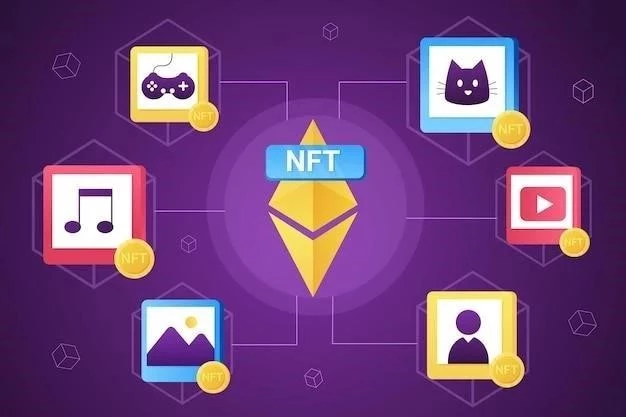
NFT marketplaces have exploded in popularity‚ but how do they make money? Beyond simply facilitating transactions‚ a robust revenue model is crucial for sustainability. This article details the primary income sources for NFT marketplaces‚ analyzing each component.
Transaction Fees (The Core Revenue)
The most significant revenue stream for nearly all NFT marketplaces is transaction fees‚ often called “gas fees” (though technically‚ gas fees are paid to the blockchain‚ marketplaces add their own fee on top). These are percentages charged on each NFT sale.
- Typical Range: 2.5% ⏤ 5% per transaction.
- Variable Fees: Some platforms employ tiered fees‚ lowering percentages for high-volume traders.
- Creator Royalties: Marketplaces facilitate creator royalties (a percentage of secondary sales going back to the original artist)‚ but don’t directly keep this – it’s passed on.
Listing Fees (Less Common‚ Emerging Trend)
While less prevalent than transaction fees‚ some marketplaces are introducing listing fees – a small charge to simply list an NFT for sale. This discourages spam listings and can generate consistent income.
- Purpose: Reduces low-effort listings‚ improves quality.
- Cost: Usually a fixed‚ small amount (e.g.‚ $1-$5).
Featured Listings & Promotions
Marketplaces can offer premium placement for NFTs. Sellers can pay to have their NFTs featured on the homepage‚ in curated collections‚ or in email newsletters. This is a direct advertising revenue stream.
- Cost: Varies widely based on visibility and duration.
- Target Audience: Appeals to sellers wanting maximum exposure.
Auction Fees (Specific to Auction-Style Platforms)
Marketplaces utilizing auction formats often charge higher fees‚ reflecting the added service of managing the auction process. These fees can be a percentage of the final sale price‚ or a combination of listing and final sale fees.
Data Analytics & API Access
NFT marketplace data is valuable. Platforms can monetize this by offering:
- Analytics Dashboards: Providing insights into market trends‚ sales data‚ and NFT performance.
- API Access: Allowing developers to build applications on top of the marketplace data.
Minting Fees (Direct NFT Creation)
Some marketplaces offer direct NFT minting services. They charge a fee for converting digital files into NFTs on the blockchain. This is becoming increasingly popular as it simplifies the process for creators.
White-Label Solutions & Custom Marketplaces
Larger marketplaces may offer white-label solutions‚ allowing brands or communities to launch their own branded NFT marketplaces powered by the platform’s technology. This generates substantial revenue through licensing and setup fees.