

Fractal Analysis: Predicting the Next Leg of Doge Crypto Price
December 29, 2025
Premium Experiences: A Guide to Suites and Crypto Com Arena Seating
December 30, 2025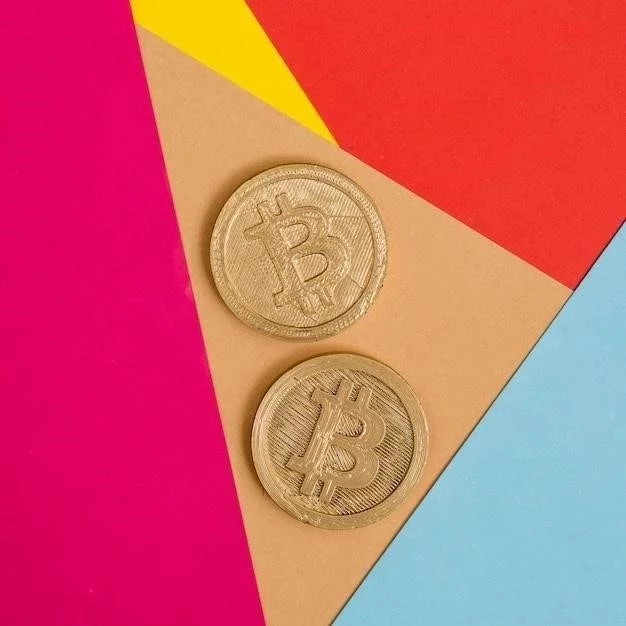
The crypto landscape often blurs the lines between a “coin crypto” and a “token.” While frequently used interchangeably, these terms denote distinct types of digital assets with unique architectures and roles within their respective ecosystems. Understanding this fundamental difference is crucial for navigating the decentralized world, comprehending the technology, and making informed decisions. This article clarifies these concepts, highlights their core disparities, and explains the critical role of token standards.
What is a Coin Crypto?
A “coin crypto” is the native asset of its own independent blockchain. It operates on a unique, standalone distributed ledger. Prime examples include Bitcoin (BTC), powering the Bitcoin blockchain, and Ether (ETH), native to Ethereum. Coins are the foundational currency of their networks, essential for paying transaction fees (gas), securing the network via Proof-of-Work (PoW) or Proof-of-Stake (PoS), and often serving as a primary store of value or a medium of exchange. A blockchain cannot function effectively without its native coin, which underpins its entire operational structure.
What is a Token?
Conversely, a “token” is a digital asset built on top of an existing blockchain, relying on that host chain’s security and infrastructure. The Ethereum blockchain is a prominent example, hosting thousands of tokens through standards like ERC-20 for fungible tokens and ERC-721 for non-fungible tokens (NFTs). Other blockchains, such as Binance Smart Chain (BEP-20) and Solana (SPL), also support various token standards. Tokens represent a diverse range of assets or utilities: utility tokens for specific services, security tokens tied to real-world assets, governance tokens for voting, and stablecoins (e.g., USDT, USDC). They are programmable assets extending blockchain functionality without requiring a new chain.
Core Difference: Independence vs. Dependency
The key distinction lies in independence. A coin is an independent digital currency, the backbone of its dedicated blockchain. A token, however, is dependent, existing within and drawing security from a parent blockchain. Coins are the native currency for network fees; tokens rely on the host chain’s native coin for gas. This architectural difference significantly impacts development, scalability, and overall security posture.
Token Standards: The Enablers of Interoperability
Token standards are crucial rule sets defining how tokens are created, issued, and managed on a specific blockchain. They ensure interoperability, allowing diverse applications, wallets, and exchanges to seamlessly interact with various tokens from the same network. Ethereum’s ERC-20 defines fungible tokens (like currency), ERC-721 defines unique non-fungible tokens (NFTs), and ERC-1155 allows for both within a single contract. These standards provide a common language, enabling the vast ecosystem of decentralized applications (dApps) to thrive efficiently.
Grasping the difference between coins and tokens is vital. Coins offer foundational network utility and security, while tokens provide diverse functionality and flexibility atop established chains. Token standards are the bedrock for this innovation, fostering interoperability and expanding the utility of blockchain technology. This clear distinction empowers users, developers, and investors to make informed decisions within the dynamic crypto space.