
Crypto Wallet Lookup A Comprehensive Guide
May 31, 2026
Phantom Wallet: Your Premier Gateway to Solana
May 31, 2026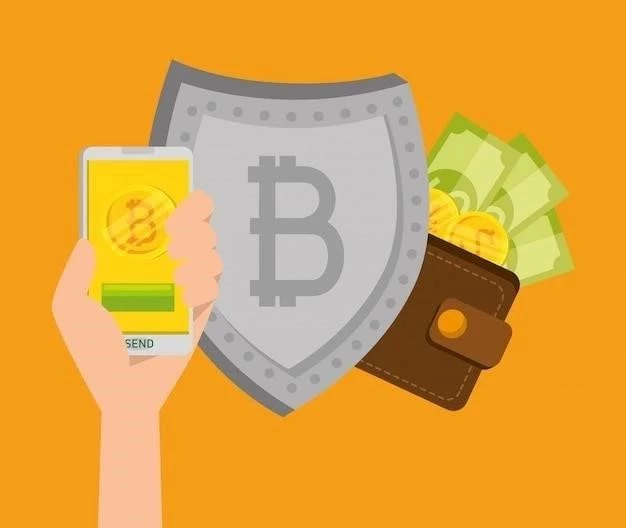
A cryptocurrency wallet is an essential tool for interacting with the blockchain and managing your digital assets. Far more than just a place to “store” crypto, a wallet actually holds the cryptographic keys – specifically private keys – that truly prove ownership of your cryptocurrency on the blockchain. Without these keys, you cannot access or spend your funds. This article will delve into the mechanics, types, and security best practices surrounding crypto wallets.
How Crypto Wallets Work
Unlike traditional bank accounts that physically hold your money, crypto wallets don’t store cryptocurrencies themselves. Instead, they provide access to your funds, which permanently reside on the blockchain. Each wallet generates a unique pair of cryptographic keys:
- Public Key: This is like your bank account number. It’s an address where others can send you cryptocurrency. It’s safe to share.
- Private Key: This is your secret password, similar to a PIN or signature. It grants you access to spend the cryptocurrency associated with your public key. Losing or compromising your private key means losing access to your funds.
When you want to send crypto, your wallet uses your private key to sign a transaction, proving you authorize the transfer. This signed transaction is then broadcast to the blockchain network, verified by nodes, and added to a block, making the transfer immutable.
Types of Crypto Wallets
Crypto wallets are broadly categorized into two main types: hot wallets and cold wallets, differing primarily in their connection to the internet and thus their security posture.
Hot Wallets
Hot wallets are internet-connected, offering convenience for frequent transactions.
Web Wallets
These are accessed via a web browser, often provided by cryptocurrency exchanges (e.g., Coinbase, Binance) or dedicated online services.
- Pros: Easy setup, highly convenient for trading, often include integrated features like analytics.
- Cons: Higher risk of hacking, phishing, or platform insolvency as your private keys are often managed by a third party (custodial wallets);
Mobile Wallets
Applications installed on smartphones (e.g., Trust Wallet, MetaMask mobile).
- Pros: Portability, convenient for on-the-go payments using QR codes, user-friendly interfaces.
- Cons: Vulnerable to phone theft, malware, or loss.
Desktop Wallets
Software installed on a computer (e.g., Exodus, Electrum).
- Pros: Full control over private keys, generally more secure than web wallets if the computer is well-protected.
- Cons: Susceptible to computer viruses, malware, or hard drive failure.
Cold Wallets
Cold wallets are offline, providing superior security by keeping private keys isolated from the internet.
Hardware Wallets
Physical electronic devices designed solely to store private keys securely offline (e.g., Ledger, Trezor).
- Pros: Gold standard for security; private keys never leave the device, even when signing transactions. Immune to online hacks.
- Cons: Costly, less convenient for daily transactions, requires physical possession and careful backup of seed phrase.
Paper Wallets
A physical printout of your public and private keys (often as QR codes).
- Pros: Completely offline, free.
- Cons: Extremely vulnerable to physical damage (fire, water), loss, or deterioration. Difficult to use for transactions, and creating them securely can be challenging. Largely considered outdated due to better hardware wallet options.
Key Features & Considerations
When choosing a crypto wallet, consider these aspects:
- Security: Look for features like multi-factor authentication (MFA), seed phrase generation, and robust encryption.
- Multi-Currency Support: Does it support the cryptocurrencies you own or plan to acquire?
- User Interface (UI): An intuitive interface enhances user experience, especially for beginners.
- Backup Options: Ensure you can securely back up your seed phrase or private keys.
- Open-Source vs. Proprietary: Open-source wallets allow for community scrutiny, potentially leading to faster identification and patching of vulnerabilities.
- Custodial vs. Non-Custodial: Custodial means a third party holds your keys; non-custodial means you retain full control. “Not your keys, not your crypto.”
Choosing the Right Wallet
The best wallet depends on your individual needs:
- For beginners or small amounts: A reputable mobile or web wallet from a trusted exchange might be convenient initially.
- For active traders: Mobile or desktop wallets offer a good balance of security and accessibility.
- For long-term holding (HODLing) or large amounts: A hardware wallet is strongly recommended for maximum security.
Best Practices for Crypto Wallet Security
Regardless of the wallet type, adherence to security best practices is paramount:
- Safeguard Your Seed Phrase (Recovery Phrase): This 12-24 word phrase is the master key to your funds. Write it down physically and store it in multiple secure, offline locations. Never share it, store it digitally, or photograph it.
- Use Strong, Unique Passwords: For any wallet protected by a password, make it complex and distinct from other accounts.
- Enable Two-Factor Authentication (2FA): Always activate 2FA for exchange accounts or wallets that support it. Hardware 2FA (e.g., YubiKey) is superior to SMS-based 2FA.
- Beware of Phishing and Scams: Always verify website URLs, email senders, and app authenticity. Never click suspicious links.
- Download from Official Sources Only: Obtain wallet software only from the official website or reputable app stores.
- Keep Software Updated: Regularly update your wallet software to benefit from the latest security patches.
- Test Small Transactions: When setting up a new wallet or sending a large amount, send a small test transaction first to ensure everything works correctly.
- Regular Backups: Ensure your seed phrase backups are intact and accessible.
Crypto wallets are the gateway to the decentralized world, offering both unprecedented financial autonomy and significant personal responsibility. By understanding their mechanics, choosing the appropriate type for your needs, and rigorously applying security best practices, you can confidently navigate the exciting landscape of digital assets. Remember, in the world of crypto, you are your own bank – and your own security guard!