Crypto Reddit An Indispensable Complex Hub
May 14, 2026
Upholding Your Crypto Managing Digital Assets with Uphold
May 15, 2026
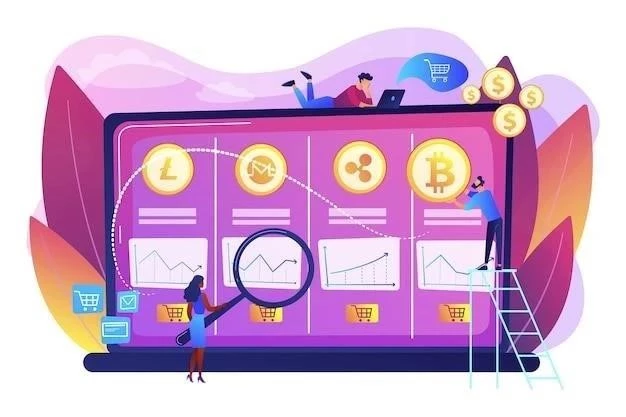
Crypto websites are the digital gateways to the vast and rapidly evolving world of cryptocurrencies, blockchain technology, and decentralized finance. From trading digital assets to exploring blockchain transactions or staying informed with market news, these platforms serve diverse functions for enthusiasts, investors, and developers alike. Understanding the different types and their functionalities is crucial for anyone engaging with the crypto ecosystem.
Core Categories of Crypto Websites
Crypto Exchanges
These are perhaps the most common type of crypto website, acting as marketplaces where users can buy, sell, and trade various cryptocurrencies. Exchanges facilitate the conversion of fiat currency (like USD or EUR) into digital assets and vice-versa, or the exchange of one cryptocurrency for another.
- Spot Trading: Direct buying and selling of assets.
- Derivatives: Trading futures, options, and perpetual swaps.
- Security Measures: Implement KYC (Know Your Customer) and AML (Anti-Money Laundering) procedures, along with robust security protocols like 2FA (Two-Factor Authentication).
- Centralized vs. Decentralized: Centralized exchanges (CEX) like Binance or Coinbase are managed by a company, while decentralized exchanges (DEX) like Uniswap operate on blockchain protocols without an intermediary.
Crypto Wallets
While often standalone applications, many crypto wallets also offer web-based interfaces or browser extensions, allowing users to store, send, and receive cryptocurrencies. They are essential for managing private keys that grant access to digital assets.
- Web Wallets: Often custodial, meaning a third party manages your private keys (e.g., exchange wallets).
- Non-Custodial Wallets: Users retain full control over their private keys (e.g., MetaMask, Trust Wallet via their web interfaces).
- Security: Encryption, seed phrases, and multi-signature options are common features.
News and Analytics Platforms
Staying informed is paramount in the volatile crypto market. These websites provide real-time data, news updates, and analytical tools to help users make informed decisions.
- Market Data: Price charts, trading volumes, market capitalization (e.g., CoinMarketCap, CoinGecko).
- News Aggregators: Curated articles and breaking news from various sources (e.g., CoinDesk, Cointelegraph).
- On-Chain Analytics: Tools to analyze blockchain activity, such as transaction counts, active addresses, and token movements.
Decentralized Applications (dApps)
dApps are applications built on blockchain networks, operating without central authority. Many dApps have web interfaces that allow users to interact with them directly via their browsers, often connecting through a web-based wallet.
- DeFi (Decentralized Finance): Lending, borrowing, yield farming, and staking platforms (e.g., Aave, Compound).
- NFT Marketplaces: Platforms for buying, selling, and minting Non-Fungible Tokens (e.g., OpenSea, Rarible).
- Web3 Gaming: Play-to-earn games and virtual worlds built on blockchain.
- DAOs (Decentralized Autonomous Organizations): Websites facilitating governance and community participation.
Block Explorers
Block explorers are search engines for blockchain networks. They allow users to view details of transactions, blocks, addresses, and smart contracts, providing transparency and verifiability for all on-chain activity.
- Transaction Details: Sender, receiver, amount, fees, confirmation status.
- Block Information: Block height, timestamp, miner, transactions included.
- Smart Contract Interaction: Reading contract data and verifying code.
Educational Platforms
For newcomers and experienced individuals alike, educational crypto websites offer resources to learn about blockchain, cryptocurrencies, and various related concepts.
- Tutorials and Guides: Step-by-step instructions on using different protocols or platforms.
- Courses and Certifications: Structured learning paths (e.g., Binance Academy, Coursera with blockchain courses).
- Glossaries and FAQs: Explanations of crypto terminology.
Key Considerations When Using Crypto Websites
Security
The decentralized nature of crypto means users bear significant responsibility for their security. Always verify website URLs to avoid phishing scams, enable 2FA, use strong, unique passwords, and be wary of unsolicited offers.
Regulation and Compliance
Different jurisdictions have varying regulations for crypto businesses. Centralized platforms often comply with KYC/AML laws, requiring users to verify their identity. Be aware of the legal implications and requirements in your region.
User Experience and Support
A well-designed interface and responsive customer support can significantly enhance your interaction. Evaluate these aspects, especially for platforms where you plan to conduct frequent transactions or hold significant assets.
Crypto websites are fundamental infrastructure supporting the digital asset economy. As the crypto space matures, these platforms will continue to innovate, offering more sophisticated and user-friendly services. However, diligence, security awareness, and continuous learning remain paramount. By understanding the diverse functionalities and inherent risks, users can navigate this exciting digital frontier with greater confidence and effectiveness.